
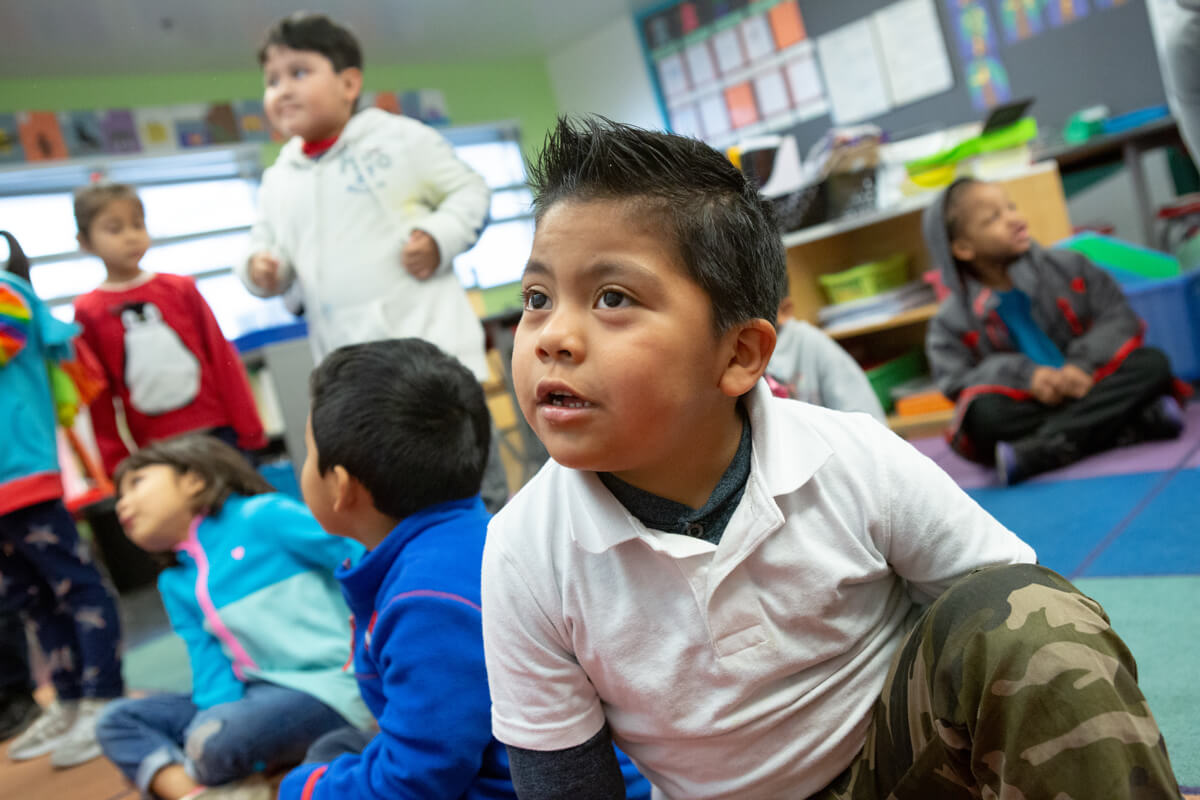
Why are summer & afterschool programs important?
Summer and afterschool programs, commonly referred to as out-of-school programs, offer opportunities for students to continue learning or engaging in enrichment activities outside of the regular school day. Research shows that students can experience “learning loss” or fall behind academically during the summer months when they are not supported with these types of programs. High-quality summer programs help to mitigate these declines.
Due to school delays, hybrid and remote learning, and the unknowns related to schooling during the pandemic, COVID-19 drastically exacerbated learning loss. Studies have found that students will need about 4.5 additional months of learning time to make up for pandemic learning loss. Students of color and students living in poverty are likely to have experienced more learning loss, putting them further behind their peers. Out-of-school programs can reduce this academic loss in reading and math and help students make important gains.
High-quality examples of these programs have these major components:
- High-quality STEM and reading instruction
- Engaging enrichment activities to ensure the program does not feel like a normal school day and allows for learning outside of the classroom
- Partnerships between schools & community-based organizations to meet the unique needs of the students in their communities
- Data-based decision making and continuous improvement to ensure that the program is improving students’ academic outcomes, including reading and math achievement
Additional Reading
More Research
- Afterschool Spotlight: Birmingham Regional Empowerment and Development Center (BREAD)
- Afterschool Spotlight: Gadsden City Schools 21st Century Afterschool Program
- Tackling Unfinished Learning and Learning Loss: Thinking Beyond the School Day: How Secure Data Sharing and Community Partnerships Can Improve Student Learning
- Thinking Beyond the School Day: How Secure Data Sharing and Community Partnerships Can Improve Student Learning
- How After School Programs Benefit Students and the Community
- Supporting Student Success Through Afterschool ProgramsHow After School Programs Benefit Students and the Community
- 6 Benefits of Afterschool Programs
- Effective Summer Programming